lang
December 2, 2025

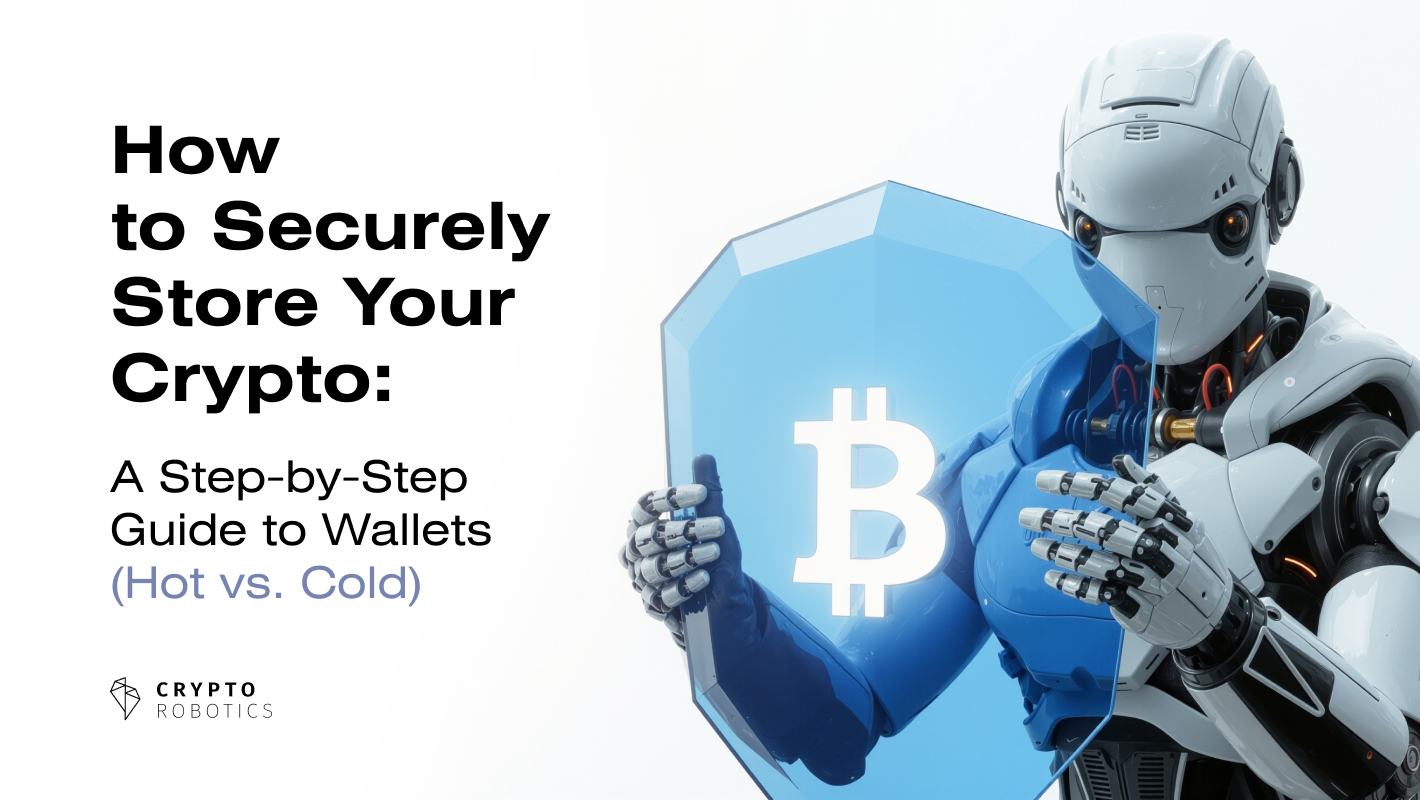
The Complete Guide to Securely Storing Your Crypto in 2025: Hot Wallets vs. Cold Wallets

Hot Wallets vs. Cold Wallets

Key Takeaways

  • Hot Wallets for Spending: Software wallets are convenient for frequent transactions and DeFi, but should only be used with limited amounts, like a regular wallet.
  • Your Keys, Your Crypto: With self-custody, you have total control over your assets, but you also bear the full responsibility for their security.
  • Cold Wallets for Savings: Hardware wallets, kept offline, provide the highest level of security for long-term holdings and significant sums.

The Fundamental Principle of Crypto Ownership

If you’re venturing into the world of cryptocurrency, the most critical lesson to learn is also the simplest: Not your keys, not your crypto.

When you leave your assets on a centralized exchange (CEX) like Coinbase, Binance, or Kraken, you are essentially trusting that company with your money. They control the private keys. While convenient for trading, this exposes you to counterparty risk—the risk that the exchange could be hacked, become insolvent, or freeze your assets.

Self-custody is the act of taking ownership of your private keys, and therefore, your digital wealth. This guide will walk you through the two primary methods of self-custody—hot wallets and cold wallets—and provide a step-by-step plan for securing your crypto for the long term.

Understanding Wallets: Your Gateway to the Blockchain

A common misconception is that a crypto wallet “stores” your coins and tokens. Instead, think of it as a keychain and an interface.

  • Your assets live on the blockchain.
  • Your private key is a secret string of numbers and letters that proves ownership and allows you to sign transactions. Anyone with your private key has complete control over the associated funds.
  • Your seed phrase (or recovery phrase) is a human-readable list of 12 or 24 words that generates all your private keys. This is the master key to your entire wallet.
  • The wallet itself is a software or hardware device that stores your keys, generates your public addresses, and lets you interact with the blockchain to send, receive, and manage your assets.

Hot Wallets: The Digital Day-to-Day

A hot wallet is any cryptocurrency wallet that is connected to the internet. They are convenient and fast but are considered less secure due to their constant online connection, which exposes them to remote attacks.

Types of Hot Wallets:

  1. Mobile/Desktop Wallets (Non-Custodial): Apps you download on your phone or computer (e.g., MetaMask, Trust Wallet, Exodus).
    • Pros: Highly portable, user-friendly, perfect for daily transactions, NFTs, and interacting with DeFi protocols.
    • Cons: Security is only as strong as your device. Vulnerable to malware, phishing attacks, and device theft.
  2. Web Wallets (Often Custodial): Wallets you access through a browser. These are often provided by exchanges.
    • Pros: Extremely convenient for trading.
    • Cons: Highest risk category. You do not control the private keys, and they are prime targets for hackers.

Best Practice: Use a hot wallet like you use your physical wallet. Keep only a small amount of spending money in it for daily needs.

Cold Wallets: The Fort Knox of Crypto

A cold wallet (or hardware wallet) is a physical electronic device designed specifically to secure cryptocurrencies. It keeps your private keys completely offline, isolated from internet-connected computers and phones until you physically confirm a transaction.

How They Work:

The device generates and stores your private keys within its secure chip. When you want to make a transaction, you connect the device, the transaction details are sent to it, you physically approve it by pressing a button on the device, and it then provides a signed transaction to be broadcast to the network. Your private keys never leave the device.

Pros:

  • Maximum Security: Immune to online hacking, malware, and phishing attacks.
  • Full Control: You are the sole holder of your keys and seed phrase.
  • Ideal for Long-Term Storage: The best way to secure large, non-trading portfolios.

Cons:

  • Cost: You must purchase the device (e.g., Ledger, Trezor, Keystone).
  • Less Convenient: Not as instant for frequent trading or DeFi interactions.
  • Physical Object: Can be lost or damaged (though your funds are safe if you have your seed phrase).

Best Practice: Use a cold wallet for the majority of your holdings—your “savings account” that you don’t need to access regularly.

Your Step-by-Step Guide to Secure Self-Custody

Follow this actionable plan to set up and maintain a secure crypto storage system.

Step 1: Choose the Right Tool for the Job

  • For your long-term savings (80-90% of portfolio): Invest in a reputable hardware wallet from an official source.
  • For your active spending/DeFi funds (10-20% of portfolio): Choose a well-audited, non-custodial software wallet like MetaMask or Trust Wallet.

Step 2: The Sacred Ritual: Setting Up Your Wallet

This process is similar for both hot and cold wallets, but with a cold wallet, the security is far superior.

  1. Initialize as New Wallet: Never use a pre-configured or second-hand device.
  2. Write Down Your Seed Phrase: The device or app will generate your 12 or 24-word recovery phrase.
  3. The Golden Rules of Seed Phrase Management:
    • Never Digitize It: Do not type it into a computer, phone, email, note-taking app, or cloud storage. A digital copy is a hacker’s dream.
    • Use a Pen and Paper (or Metal): Write it clearly on the provided card or a piece of paper. For fire/water resistance, consider etching it on a steel seed storage plate.
    • Make Multiple Copies: Create 2-3 copies and store them in separate, secure locations (e.g., a home safe, a safety deposit box, with a trusted family member).
    • Keep It Private: Never share your seed phrase with anyone. No legitimate company or support person will ever ask for it. It is a scam.

Step 3: Execute a “Dry Run” and Transfer Funds

  1. Verify Your Backup: Most hardware wallets have a feature to verify your seed phrase. Use it. For a software wallet, uninstall and reinstall the app (ensuring you know how to restore it first) to practice recovering with your seed phrase.
  2. Start Small: For your first transaction, send a very small amount of crypto to your new wallet address to confirm everything works.
  3. Transfer Your Holdings: Once confirmed, gradually transfer the rest of your long-term holdings from the exchange to your cold wallet address.

Step 4: Ongoing Security and Maintenance

Security is a habit, not a one-time action.

  • Stay Vigilant Against Phishing: Double-check URLs and never enter your seed phrase on a website. Bookmark legitimate dApp and wallet sites.
  • Use a Separate Browser/Profile: Consider using a dedicated browser profile for all your crypto activities to reduce tracking and attack surface.
  • Keep Software Updated: Regularly update your hardware wallet’s firmware and your software wallet apps to patch vulnerabilities.
  • Consider a Multi-Signature Setup: For very large amounts or shared accounts, explore multi-signature wallets, which require multiple private keys to authorize a transaction.

The Verdict: A Hybrid Approach is King

The most secure and practical strategy is not to choose one over the other, but to use both in a hybrid model.

  • Cold Storage Vault: The bulk of your crypto should reside here, safe from online threats. This is your long-term, high-security storage.
  • Hot Wallet Hub: Keep a defined, comfortable amount in your hot wallet for active use—trading, staking, providing liquidity, or purchasing NFTs.

By understanding the roles of hot and cold wallets and implementing a disciplined key management strategy, you move from being a passive user on an exchange to a sovereign individual in the digital economy. Take control, because in the world of crypto, ultimate security begins and ends with you.

Previous Post Next Post
Alina Garaeva
About Author

Alina Garaeva: a crypto trader, blog author, and head of support at Cryptorobotics. Expert in trading and training.

Alina Tukaeva
About Proofreader

Alina Tukaeva is a leading expert in the field of cryptocurrencies and FinTech, with extensive experience in business development and project management. Alina is created a training course for beginners in cryptocurrency.

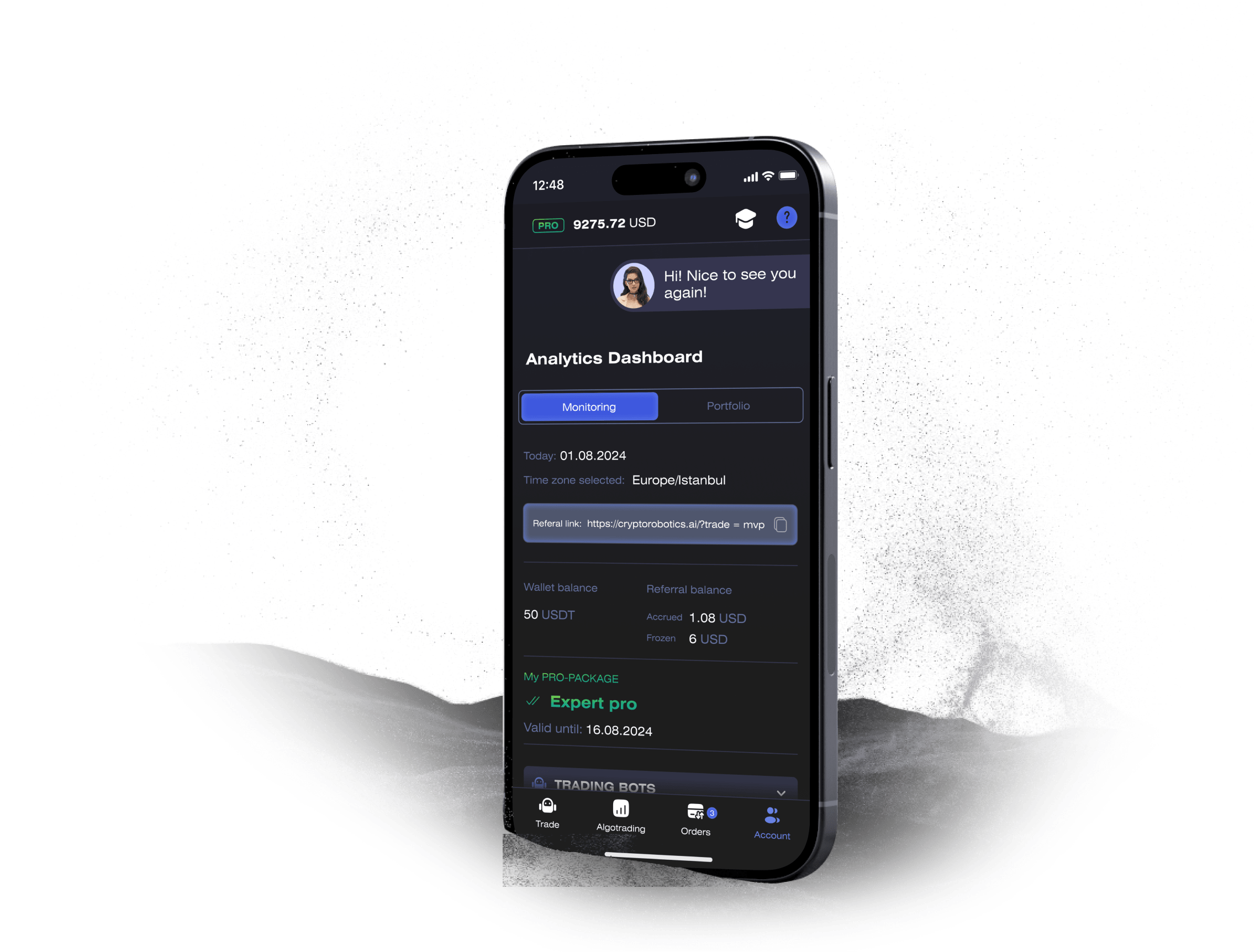
Launch Your Crypto Trading Journey with the CryptoRobotics App

Access the full functionality of CryptoRobotics by downloading the trading app. This app allows you to manage and adjust your best directly from your smartphone or tablet.

phone

Need Assistance on the Platform?

Schedule a personal onboarding session with our manager. He will assist you in setting up the bots, understanding the products, and answer all your questions.