


Published: March 20, 2026 at 7:44 pm
Updated on March 20, 2026 at 7:44 pm

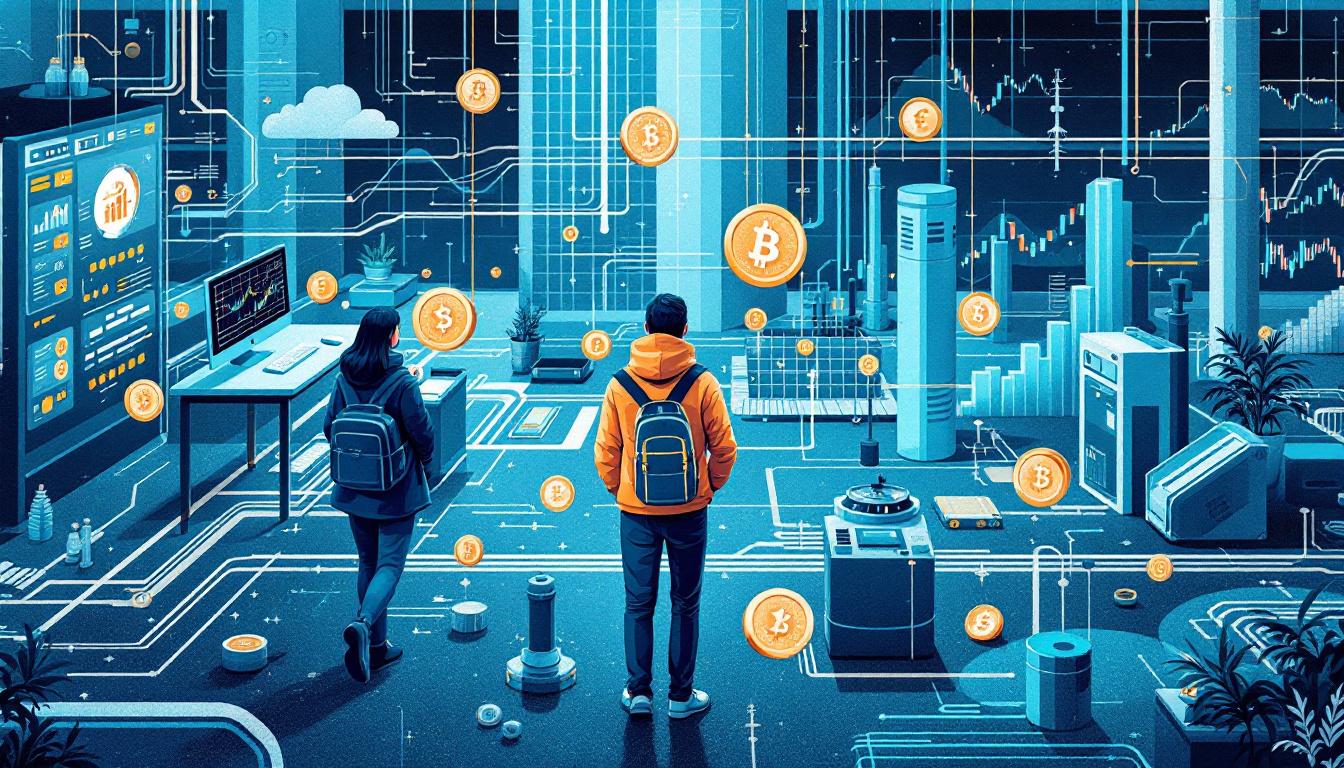


What if I told you that the foundations of global finance as we know it are crumbling, giving way to a new, vibrant digital landscape? The promise of the digital era, long hailed as a utopia for financial inclusion, is finally taking shape. The antiquated models of traditional banking are slowly being pushed aside, replaced by a dynamic and accessible digital financial architecture that is reshaping the way societies engage with money.
Consider this: the financial sector is undergoing an upheaval. The transition from age-old banking practices to modern, innovative payment systems isn’t merely a chapter in a book—it’s a profound transformation in the fabric of commerce itself. Gone are the days when telecommunications merely served as a communication bridge; they are now pivotal players at the forefront of this evolution, integrating digital finance solutions that threaten to upend the global payments paradigm.
In this era, the mobile phone has become more than an accessory; it is a powerful tool for financial empowerment. With over five billion users spanning the globe, telecom networks are leveraging their vast reach to bring financial services to everyone, everywhere. This powerful fusion of telecommunications and finance is paving the way for effortless international transactions and sophisticated digital identity checks, illustrating that a financially inclusive future is achievable, not just aspirational.
The old perspectives on currency are rapidly losing their relevance as digital money—ranging from stablecoins to central bank digital currencies (CBDCs)—rises to prominence. These innovations facilitate instantaneous transactions on a global scale, with crypto future trading signals gaining attention for their role in navigating this new landscape. The landscape is evolving, underpinned by the applications of artificial intelligence and smart contracts. Here, funds are not merely exchanged; they’re transferred in a way that embodies practicality and security within our financial transactions.
Financial exclusion, a pervasive issue that has hindered global advancement for too long, is finally facing potential resolution. Telecommunications are building bridges where barriers once loomed. Companies like Telcoin are capitalizing on the immutable properties of blockchain technology to extend financial services to the billions lacking access to banks, utilizing mobile wallets linked directly to phone numbers. This leap isn’t just a tech trend; it represents a monumental stride towards equitable financial access.
In this digital finance renaissance, the notion of solitary progress is outdated. The seamless collaboration among banks, fintech innovators, and telecommunications companies through strategic alliances highlights a shared commitment to crafting a cohesive global payments ecosystem. These partnerships are propelling emerging technologies from experimentation into everyday functionality, setting the stage for a new standard in commercial interactions, much like the best mobile futures trading platform that optimizes trading efficiency.
The advent of programmable payments stands as a testament to human creativity and foresight. In this realm, transactions are no longer just executed—they can be coded, initiating a new standard of financial efficacy. This domain, where autonomy drives compliance and reporting, marks a significant break from cumbersome, error-prone systems of the past, ushering in an era of streamlined financial interactions.
As the lines between telecom and finance blur, we are poised at a pivotal historical juncture. The shift from traditional banking to telecom-integrated digital finance isn’t some distant aspiration; it’s unfolding before our eyes. This transformation is not merely reimagining our interactions with money; it is establishing a framework of financial services that guarantees everyone has a stake in the global economy. The evolution of finance is not a future promise—it is an immediate reality, firmly in the hands of all.
In a landscape where digital currencies, recognized by industry giants as the fundamental backbone of global payments, are making waves, we find ourselves witnessing a merging of traditional finance with the digital realm. This integration, bolstered by bold endorsements and rapidly advancing telecom-driven financial solutions, sets the stage for a sweeping overhaul—enabling money to flow unimpeded, liberated from previous inefficiencies.
As we navigate this new frontier, significant mergers, like Mastercard’s decisive acquisition of the stablecoin pioneer BVNK, signal a transformative departure from experimental phases toward an era of robustness for digital assets, offering benefits such as crypto fast signals for users looking for timely information. These movements are not just tactical maneuvers; they represent fundamental shifts towards a harmonious marriage of digital and conventional finance—a promising new reality in our economic landscape.
The signs of this transformation are unmistakable. From the bustling streets of Lagos to the energetic marketplaces of Nairobi, the power of digital finance is reshaping lives through the very devices we carry daily, leveraging the vast networks that connect us all. The time has come—not just for speculation, but for action. The future of global finance is not just on the horizon; it is robustly tangible, propelled by the innovative sparks of present-day telecommunications and the relentless drive for progress.
Egor Romanov is an experienced crypto analyst, professional trader, and author of trading strategies and the Cryptorobotics blog, where he shares his knowledge about cryptocurrencies and financial markets.
Alina Tukaeva is a leading expert in the field of cryptocurrencies and FinTech, with extensive experience in business development and project management. Alina is created a training course for beginners in cryptocurrency.
Related Topics






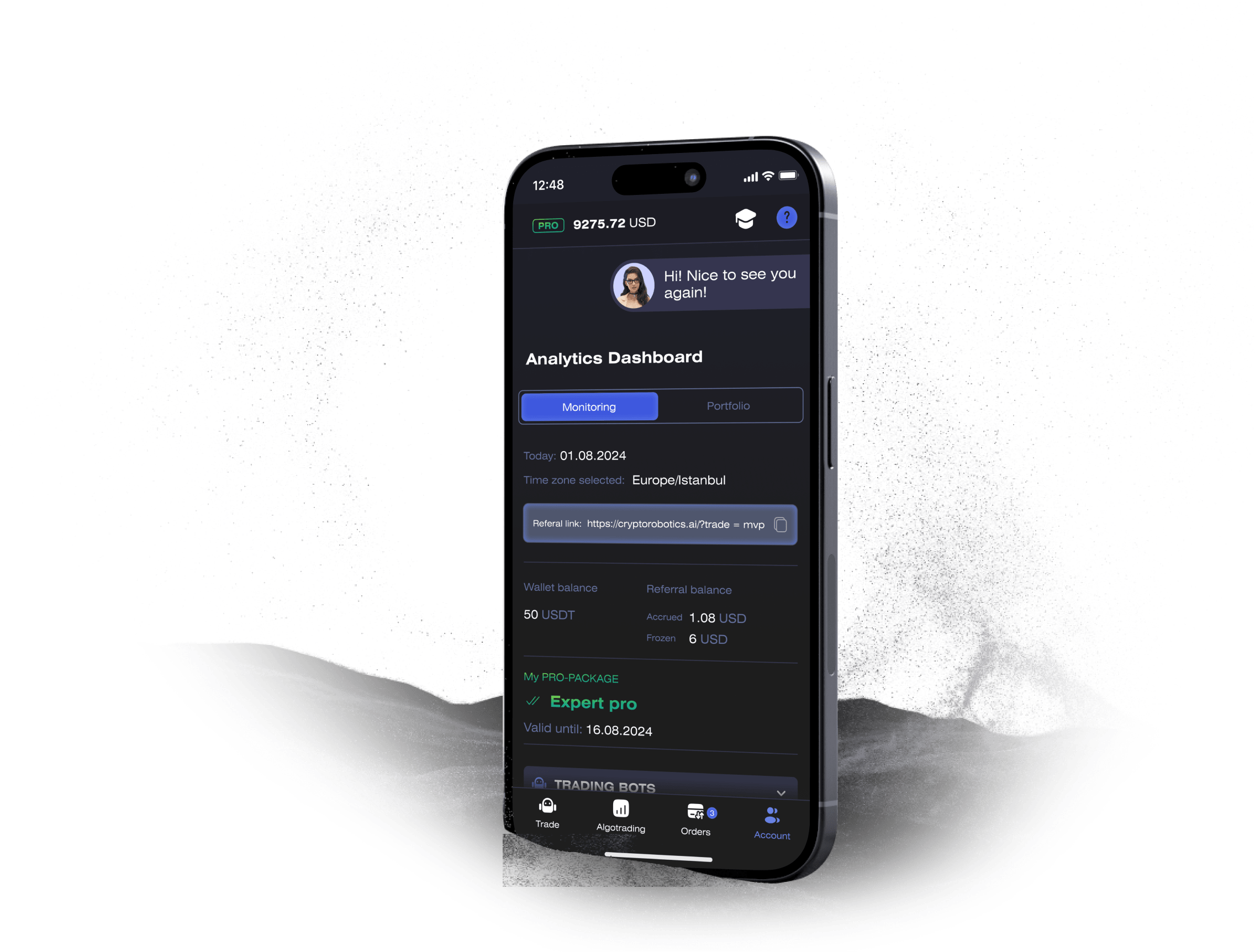
Access the full functionality of CryptoRobotics by downloading the trading app. This app allows you to manage and adjust your best directly from your smartphone or tablet.

News
See more



Blog
See more