


Published: December 02, 2025 at 1:26 pm
Updated on December 02, 2025 at 1:26 pm



In the world of financial markets, the two primary methods of trading assets are spot trading and futures trading. Understanding the key differences between them, especially regarding risk and reward, is fundamental for any trader aiming to achieve their investment goals. This guide explains these basic trading types simply and clearly.
Spot trading is the buying or selling of a financial asset at the current market price with immediate settlement. When you execute a spot trade, you directly acquire the asset, and ownership is instantly transferred to you.
This approach is often compared to ordinary shopping: you pay the full price for an item and take it with you immediately. Spot trading is common across various markets, including stocks, forex (foreign exchange market), and cryptocurrencies.
Key Characteristics of Spot Trading:
Futures trading is based on contracts. These are agreements between two parties to buy or sell a specific asset at a predetermined price on a specified future date. Unlike spot trading, there is no immediate exchange of the asset; instead, it’s a bet on the future price.
Futures contracts are standardized in terms of volume, delivery date, and specifications, making their trading on regulated exchanges transparent and efficient.
Key Characteristics of Futures Trading:
The following table clearly illustrates the main differences between spot and futures trading.
| Characteristic | Spot Trading | Futures Trading |
| Settlement Time | Immediate or short-term (e.g., T+2) | In the future, upon contract expiration |
| Ownership | Direct ownership of the asset | Ownership of the contract, not the asset |
| Use of Leverage | None or limited | High, using margin |
| Expiration | Unlimited | Has an expiry date |
| Risk Level | Limited to the invested amount | High, potential for losses exceeding the deposit |
| Primary Purpose | Actual acquisition of the asset, long-term investment | Hedging, speculation, arbitrage |
| Cost to Open Position | Full asset value | Initial margin (a small percentage of the contract value) |
The choice between spot and futures directly impacts your potential return and risk level.
The Main Risk in Spot Trading is market volatility. The asset price can decrease significantly, but your losses will still never exceed the initial investment.
The Main Risks in Futures Trading are the risk of liquidation and the potential for losses exceeding the initial investment. Over 70% of retail traders dealing with futures incur losses, highlighting the critical importance of risk management.
The choice between these two trading types depends on your experience, risk tolerance, and investment goals.
Spot trading and futures trading serve different purposes and suit different types of traders. Spot is the straightforward path to asset ownership with controlled risk, while futures are a complex, leveraged instrument for speculation and hedging, offering high returns at the cost of increased risk.
Remember, there is no single ‘best’ way to trade—only the way that best suits you. Honestly assess your experience, goals, and risk tolerance, and let this guide help you make an informed choice on your trading journey.
Alina Garaeva: a crypto trader, blog author, and head of support at Cryptorobotics. Expert in trading and training.
Alina Tukaeva is a leading expert in the field of cryptocurrencies and FinTech, with extensive experience in business development and project management. Alina is created a training course for beginners in cryptocurrency.
Related Topics






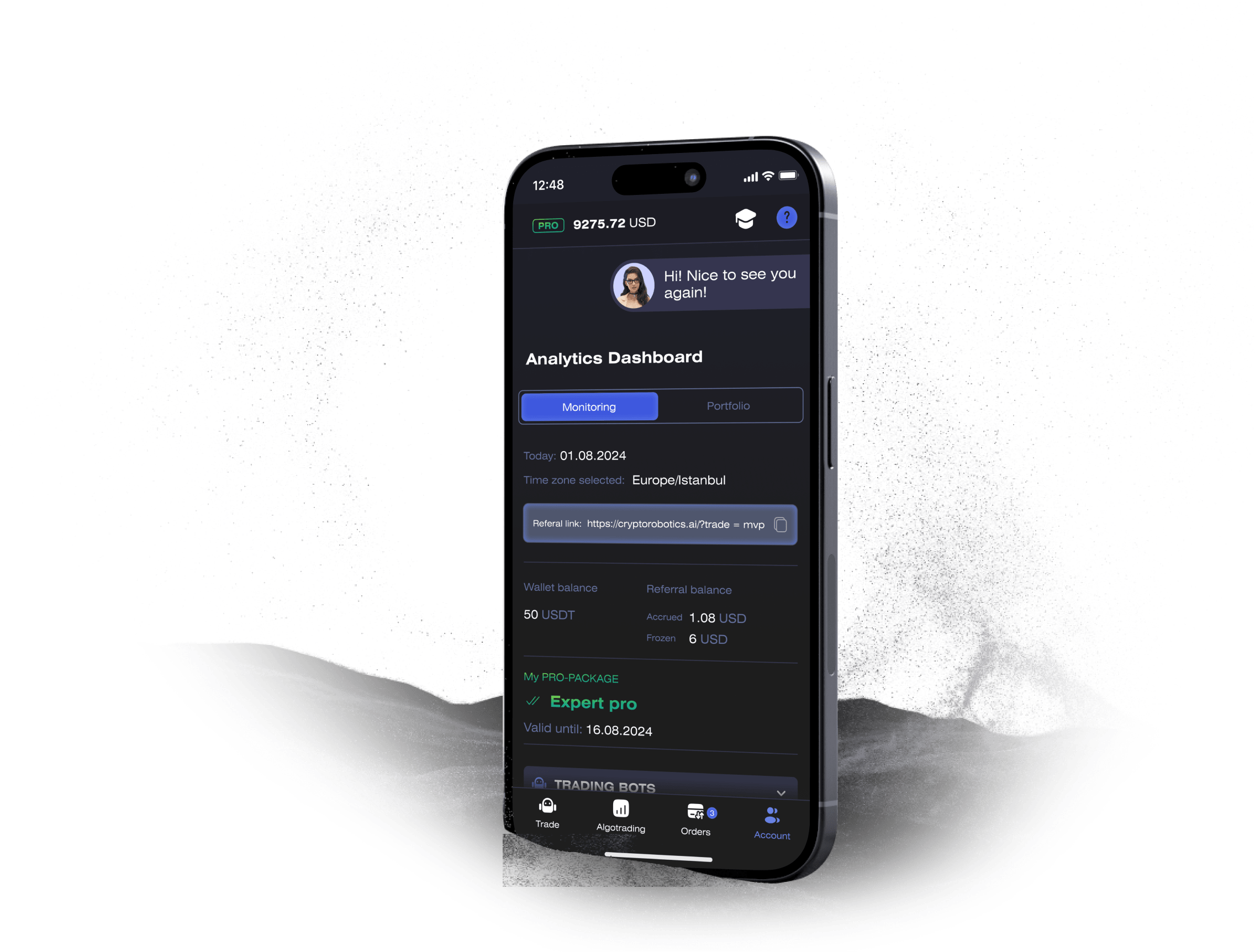
Access the full functionality of CryptoRobotics by downloading the trading app. This app allows you to manage and adjust your best directly from your smartphone or tablet.

News
See more



Blog
See more