


Published: February 02, 2026 at 9:56 pm
Updated on February 02, 2026 at 9:56 pm

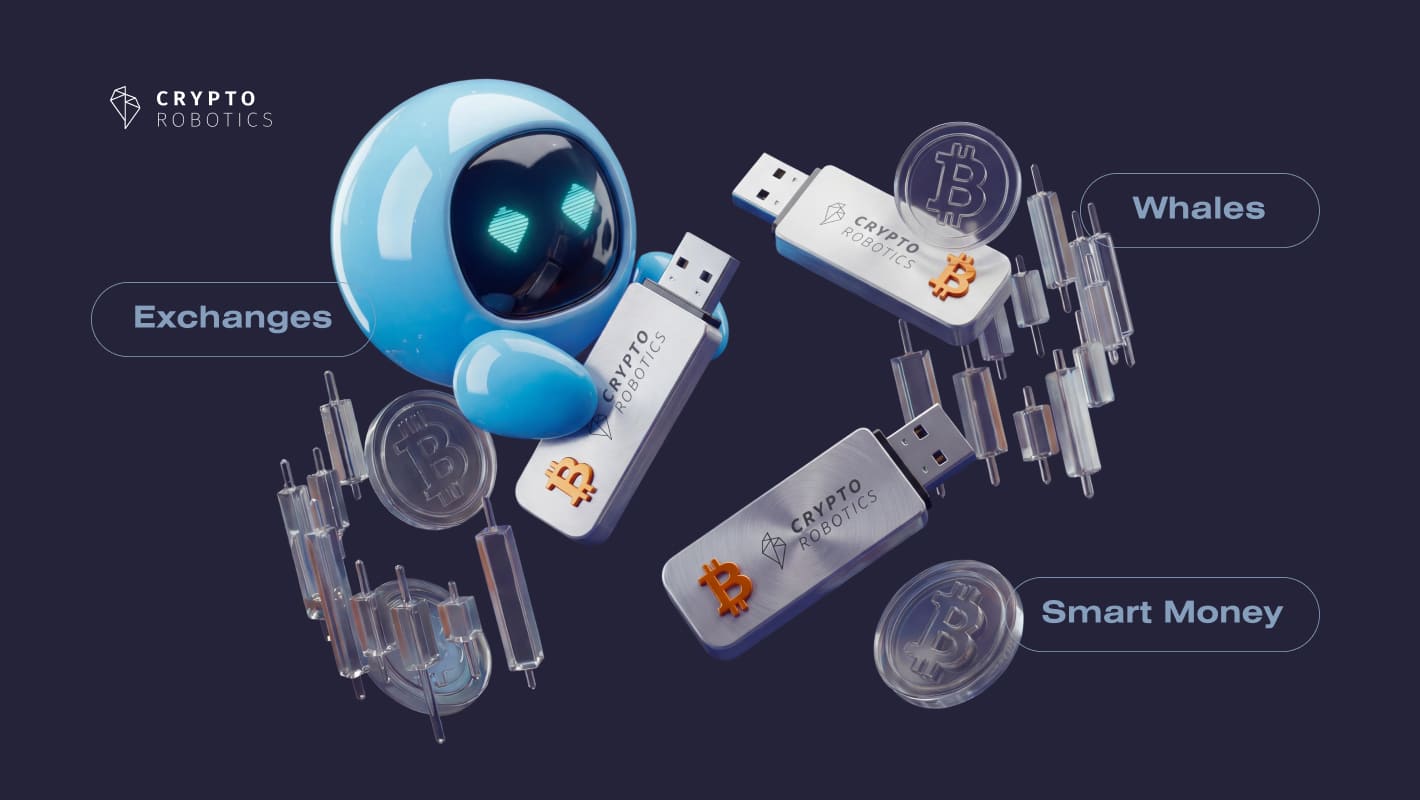


Crypto markets are unusually transparent. Unlike traditional finance, where most capital flows are hidden behind intermediaries, blockchains expose wallet balances, transfers, and interactions in real time. This transparency makes it possible to analyze who is moving funds, where capital is going, and why certain market moves may be developing.
Reading crypto wallet activity is a core skill in on-chain analysis. It helps identify accumulation, distribution, liquidity shifts, and strategic behavior by different types of participants—commonly referred to as whales, exchanges, and smart money. However, interpreting wallet data requires context, discipline, and an understanding of behavioral patterns. Raw transactions alone are easy to misread.
This article provides a clear, beginner-friendly but professional framework for understanding crypto wallet activity and learning how to interpret on-chain movements without falling into common traps.
Every on-chain transaction represents a deliberate action. Someone decided to move funds, lock assets, stake tokens, deposit to an exchange, withdraw to cold storage, or interact with a smart contract.
Wallet activity can help answer questions such as:
Price reflects outcomes. Wallet activity often reveals intent before outcomes appear on charts.
A crypto wallet is not an account in the traditional sense. It is an address that can hold assets and interact with smart contracts.
Important characteristics:
On-chain analysis does not identify people—it identifies behavior.
There are two broad wallet types:
Understanding whether a wallet is a user or a contract helps interpret intent correctly.
Exchange wallets are addresses controlled by centralized trading platforms. They are used for:
Many large exchange wallets are publicly labeled or well-documented.
Exchange wallets act as gateways between custody and liquidity.
This does not mean every inflow is bearish or every outflow is bullish—but the aggregate trend matters.
Rising exchange inflows can signal:
Context is critical. Inflows during panic differ from inflows during euphoric rallies.
Sustained exchange outflows may indicate:
Large, persistent outflows often reflect strategic positioning rather than short-term trading.
A whale is typically defined as a wallet (or group of wallets) holding a large amount of a specific asset relative to total supply or average holder size.
There is no universal threshold. Context matters:
Whales matter because their actions can materially affect liquidity and sentiment.
Whales do not behave randomly. Over time, recurring patterns appear.
Typical behaviors include:
Large holders tend to be patient, not reactive.
Accumulation often appears as:
This behavior suggests long-term positioning rather than speculative trading.
Distribution often appears as:
Distribution is rarely a single transaction. It usually unfolds gradually to minimize impact.
Smart money does not mean “always right.” It refers to participants who:
Smart money is defined by behavior, not wallet size alone.
Smart money behavior often includes:
They tend to act before retail interest becomes obvious.
Retail behavior is often characterized by:
Smart money tends to do the opposite:
On-chain data often reveals this contrast clearly.
Because users can control multiple wallets, focusing on a single address can be deceptive.
Professional analysis looks at:
If multiple wallets move in coordination, they likely represent a single entity or strategy.
A transaction sequence matters more than a single transfer.
Examples:
Intermediate wallets are often used to obscure intent—but patterns still emerge.
Wallets interacting with:
Are often deploying capital strategically rather than speculating on price alone.
Tracking where funds go is as important as how much moves.
Movement from:
Can indicate changing risk appetite.
Smart money often rotates before price reacts.
Not all wallet activity has the same meaning.
Beginners often overreact to short-term movements without considering duration.
When long-dormant wallets suddenly become active, it often attracts attention.
Possible explanations include:
Dormancy alone does not imply bearish intent—but it deserves scrutiny.
One large transfer does not equal a market signal.
Professional analysis looks for:
Isolated events are often noise.
Not all large holders are skilled. Early investors, funds with mandates, or treasuries may act for reasons unrelated to market timing.
Size does not guarantee insight.
Wallet activity must be interpreted alongside:
The same action can mean different things in different environments.
Exchanges often move funds internally for:
These movements do not reflect user behavior and should be filtered out.
Understanding labeled exchange wallets helps avoid misinterpretation.
Wallet analysis works best when combined with:
No single signal is sufficient on its own.
Often characterized by:
Wallet data tends to be quiet but consistent.
Often characterized by:
Wallet activity often diverges from optimistic narratives.
A simple, disciplined approach:
Avoid jumping to conclusions based on isolated events.
Wallet analysis cannot:
It provides probabilistic insight, not certainty.
Reading crypto wallet activity is about understanding behavior, not chasing signals. Whales, exchanges, and smart money each interact with the blockchain differently, driven by distinct incentives and time horizons.
On-chain transparency gives crypto participants a rare advantage: the ability to observe capital flows directly. Used responsibly, wallet analysis adds depth, context, and discipline to market understanding.
The key is restraint. Patterns matter more than transactions. Behavior matters more than labels. And context matters more than conclusions.
In crypto, the blockchain records what happened. Learning to interpret why is the real skill.
Alina Garaeva: a crypto trader, blog author, and head of support at Cryptorobotics. Expert in trading and training.
Alina Tukaeva is a leading expert in the field of cryptocurrencies and FinTech, with extensive experience in business development and project management. Alina is created a training course for beginners in cryptocurrency.
Related Topics






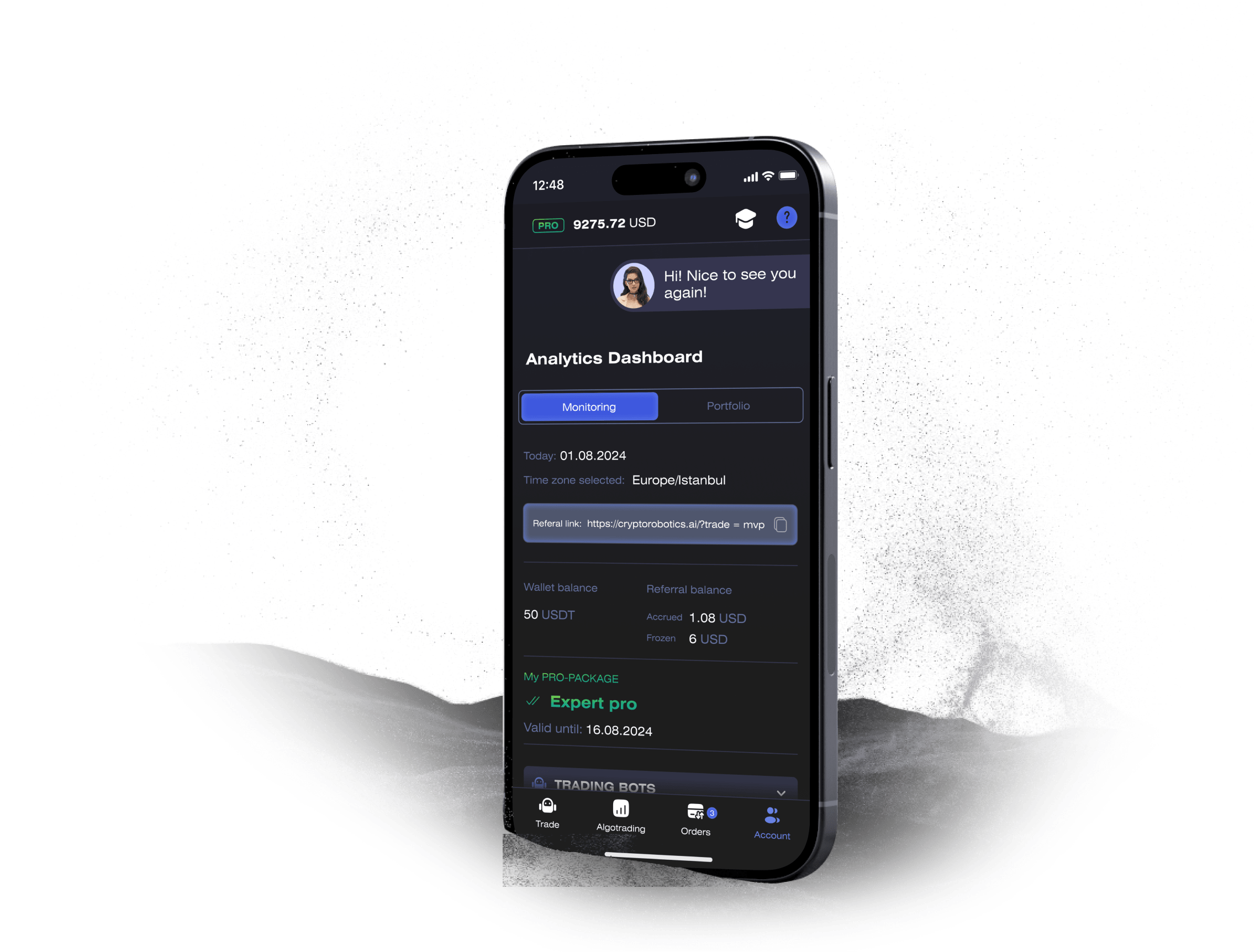
Access the full functionality of CryptoRobotics by downloading the trading app. This app allows you to manage and adjust your best directly from your smartphone or tablet.

News
See more



Blog
See more