


Published: December 29, 2025 at 10:07 pm
Updated on December 29, 2025 at 10:08 pm




Smart contracts are self-executing pieces of code that automate agreements and transactions on blockchains. Once deployed, they are immutable and often govern real money or valuable digital assets. That means security matters immensely: a single vulnerability can lead to catastrophic losses, as seen in high-profile hacks and exploits across DeFi and NFT ecosystems.
Auditing a smart contract in the traditional sense usually requires deep technical skills—familiarity with programming languages like Solidity, understanding of the Ethereum Virtual Machine (EVM), and knowledge of attack vectors. However, you don’t have to be a developer to perform a meaningful audit. With disciplined methodology, the right tools, and a structured process, non-developers can effectively assess risk, identify red flags, and contribute to the security posture of smart contracts before investment or deployment.
This practical guide walks you through how to audit a smart contract without being a developer by focusing on documentation, tools, logic evaluation, and community-based validation.
At its core, auditing a smart contract means evaluating its code and behavior for errors, vulnerabilities, and logical flaws before it goes live. A professional audit normally combines:
Even though manual code review typically requires programming expertise, many aspects of smart contract auditing do not. Non-developers can focus on high-level analysis, risk indicators, automated tool outputs, and documented behavior to make informed judgments about safety.
The first step in any audit—regardless of your technical background—is to gather all available information about the contract:
This documentation provides valuable context that helps you understand what the contract is supposed to do. Without clear documentation, even a deep technical audit can miss hidden logic flaws.
Ask yourself:
If the documentation is vague, inconsistent, or absent, that’s a critical red flag and a valid basis to consider the contract high risk. Weak or missing documentation is one of the most common precursors to vulnerabilities.
Before diving into the code, see whether a third-party audit has already been performed. Many reputable auditing firms—such as OpenZeppelin, Certik, Trail of Bits, and ConsenSys Diligence—publish detailed audit reports that cover:
However, not every “audit” carries the same weight. A good audit report should answer questions like:
If an audit is claimed but the full report is not publicly accessible, treat this as a sign to be cautious. In some cases, projects publish only a certificate or a badge without details—a situation where you should ask for the complete report or verify its authenticity.
Even without programming skills, you can leverage automated smart contract analysis tools that scan code and bytecode for known vulnerabilities. These tools aren’t perfect, but they can identify common issues that might otherwise be overlooked.
Some popular tools include:
For non-developers:
These tools will list common vulnerabilities like integer overflows, reentrancy risks, and unchecked external calls. While the tool results don’t replace expert review, they rapidly surface risk areas that warrant deeper attention or professional help.
A key part of auditing without coding is assessing how control functions are structured. Smart contracts often include permissioned actions that can affect ownership, funds, or protocol behavior. Look for indicators like:
You can use your eyes and blockchain explorers to inspect these. Tools often label these functions in the UI when viewing verified contracts.
Key questions to ask:
If the contract gives too much power to a single address, or if control isn’t clearly explained in the documentation, this is a major audit concern even before looking at the code logic.
Non-developers can benefit greatly from community-generated checklists and vulnerability databases that catalog common attack vectors. For example:
Even if you cannot interpret code line-by-line, comparing the smart contract against a comprehensive checklist enables you to spot patterns and known weaknesses.
Another non-developer technique is to interact with the deployed contract in a test environment or public testnet. Tools like Etherscan allow you to:
Pay attention to:
Live interaction helps you understand how the contract behaves in real conditions, even if you don’t see the code behind the scenes.
While reputation is not a guarantee of safety, it is useful. Established projects with:
tend to have more scrutiny and peer review from developers and auditors. Check GitHub, Discord, and developer forums for discussions about security and audit findings. Projects that react defensively to technical questions—or ban users who raise concerns—deserve added scrutiny.
A critical part of auditing as a non-developer is knowing what you cannot assess accurately. Automated tools and high-level logic inspection catch a lot, but they:
For high-value contracts, it is still best practice to engage professional auditors. What you accomplish as a non-developer should be seen as a preliminary risk assessment that informs whether a professional audit engagement is warranted.
Even without code expertise, you should understand some categories of vulnerabilities that audits aim to detect:
Non-developers can learn about these categories and then use automated reports and documentation review to assess risk without reading code.
Auditing a smart contract without being a developer is not about becoming a security engineer overnight. Rather, it is about adopting a structured, evidence-based approach that combines:
With this method, you can uncover red flags and weak spots before committing capital or deploying critical contracts. Ultimately, your goal as a non-developer auditor is to reduce uncertainty and risk, identify areas that require deeper expertise, and make informed decisions about the safety of decentralized applications.
Doing so responsibly significantly enhances your ability to navigate the blockchain ecosystem with confidence.
Alina Garaeva: a crypto trader, blog author, and head of support at Cryptorobotics. Expert in trading and training.
Alina Tukaeva is a leading expert in the field of cryptocurrencies and FinTech, with extensive experience in business development and project management. Alina is created a training course for beginners in cryptocurrency.
Related Topics







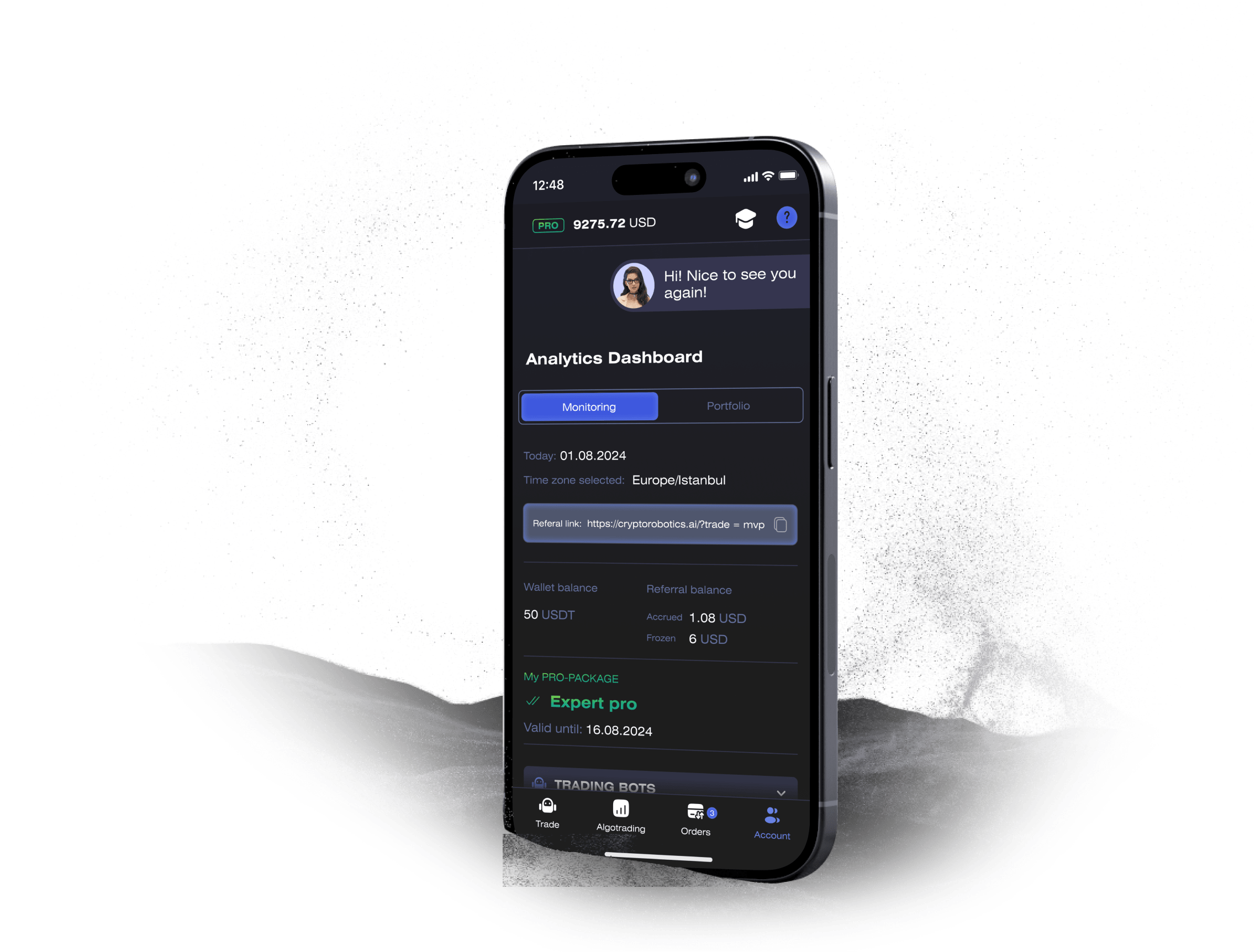
Access the full functionality of CryptoRobotics by downloading the trading app. This app allows you to manage and adjust your best directly from your smartphone or tablet.

News
See more



Blog
See more