Published: December 29, 2025 at 9:40 am
Updated on December 29, 2025 at 12:18 pm

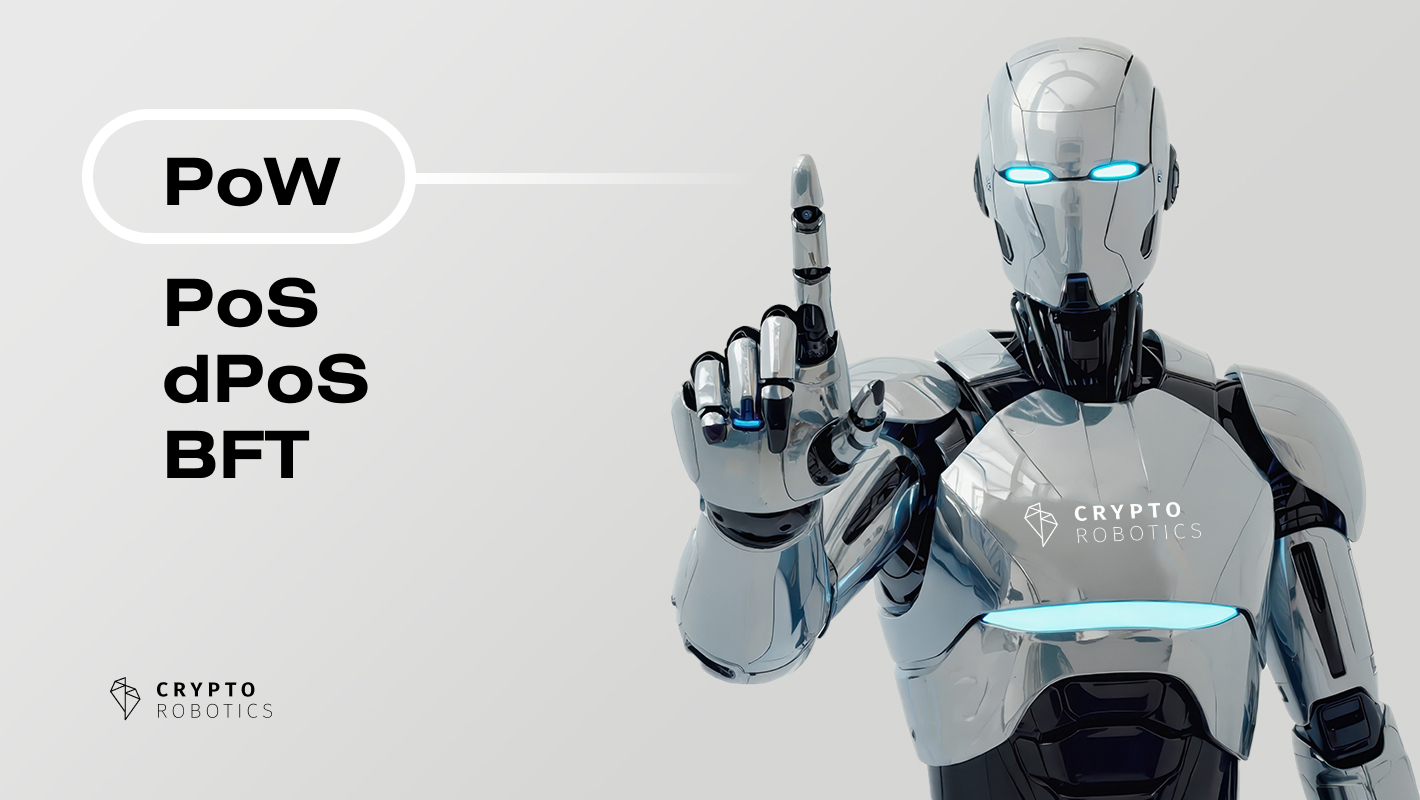


At a fundamental level, a consensus algorithm is a protocol that enables independent participants (nodes) in a decentralized network to agree on the validity of transactions and the exact state of the ledger, even in the absence of centralized control. In distributed systems like blockchains, consensus mechanisms resolve disagreements, prevent inconsistencies, and protect against malicious actors. They are central to the security and reliability of the entire system.
Without consensus, nodes might have different versions of the ledger, leading to double spending, data corruption, or forks that undermine trust. Consensus algorithms also defend against adversarial actions such as Sybil attacks and 51% attacks by imposing cryptoeconomic or algorithmic costs on bad behavior. Through enforcing collective agreement, these algorithms balance the trilemma of security, decentralization, and scalability—the core challenges of all distributed ledgers.
Proof of Work is the original blockchain consensus mechanism, first implemented in Bitcoin. In PoW, nodes (called miners) compete to solve cryptographic puzzles that require significant computational effort. The first miner to solve the puzzle earns the right to add the next block of transactions to the chain and receive a reward.
PoW’s security stems from computational cost and randomness:
PoW’s security effectiveness comes with trade-offs. High energy consumption, slower transaction throughput, and environmental concerns have driven some blockchains to explore alternatives that maintain adequate security with different design choices. Nonetheless, PoW remains one of the most battle-tested and secure consensus models in public blockchains.
As blockchain networks evolved, so did consensus algorithms. Proof of Stake emerged as a solution to PoW’s energy inefficiency while preserving a high level of security. PoS selects validators based on the amount of cryptocurrency they hold and are willing to “stake” or lock up as collateral. Validators are randomly chosen, often proportional to the size of their stake, to propose and validate new blocks.
PoS changes the security model from computational brute force to economic risk alignment:
While PoS is more energy efficient, it introduces challenges such as “nothing-at-stake” scenarios, where validators can vote on multiple competing forks without cost. Modern PoS designs mitigate these with additional cryptoeconomic penalties and slashing conditions that confiscate a misbehaving validator’s stake.
Delegated Proof of Stake is a refinement of PoS designed to improve scalability and transaction throughput without sacrificing security. In dPoS systems, token holders vote for a limited set of delegates or representatives who are responsible for validating transactions and producing blocks. Popular blockchains like EOS and Steem use dPoS models.
dPoS reshapes blockchain security through governance and delegation:
The trade-off in dPoS systems is the risk of centralization. With fewer delegates controlling block production, there is greater potential for collusion or cartel-like behavior. However, most implementations build in mechanisms to rotate delegates and require transparent accountability, reducing the risk of sustained control by malicious actors.
Byzantine Fault Tolerance consensus algorithms address a fundamental problem in distributed systems: how can a network reach agreement when some participants may fail or behave maliciously? The term originates from the Byzantine Generals’ Problem, which illustrates the difficulty of reaching consensus when some actors act unpredictably or send conflicting information.
Practical Byzantine Fault Tolerance (pBFT) is one of the most influential BFT models. It allows a network to reach consensus if no more than one-third of the validators are faulty or malicious. pBFT engages nodes in rounds of message exchange and voting to confirm agreement on the next state.
BFT consensus mechanisms involve intense communication overhead, as nodes must exchange multiple rounds of messages to confirm agreement. This can limit scalability and efficiency in large, permissionless networks compared to PoW or PoS variants. However, in environments where node identities are known and trust thresholds can be established, BFT offers robust security guarantees.
When evaluating security profiles across consensus algorithms, several factors come into play:
Blockchain consensus algorithms continue to evolve. Hybrid approaches that combine strengths of multiple algorithms, such as PoW with PoS or BFT-enhanced PoS variants, are emerging to tackle modern security, scalability, and sustainability challenges. Research into protocols with quantum resistance and adaptive governance frameworks promises further innovation.
The interplay between consensus design and blockchain security has deep implications for digital finance, decentralized applications, and emerging distributed systems beyond cryptocurrency. How these mechanisms adapt to real-world conditions—from regulatory scrutiny to ecological concerns—will shape the next generation of secure, scalable decentralized networks.
In conclusion, consensus algorithms are the foundational logic of blockchain security. By defining how independent nodes agree on a shared reality, mechanisms like PoW, PoS, dPoS, and BFT determine how networks resist attack, ensure data integrity, and balance decentralization with performance. A nuanced understanding of these systems reveals why blockchain is not just a ledger but a resilient, self-governing fabric of trust.
Alina Garaeva: a crypto trader, blog author, and head of support at Cryptorobotics. Expert in trading and training.
Alina Tukaeva is a leading expert in the field of cryptocurrencies and FinTech, with extensive experience in business development and project management. Alina is created a training course for beginners in cryptocurrency.
Related Topics







Access the full functionality of CryptoRobotics by downloading the trading app. This app allows you to manage and adjust your best directly from your smartphone or tablet.


News
See more



Blog
See more