

Published: July 21, 2025 at 2:07 am
Updated on July 21, 2025 at 2:07 am




The financial world is bracing for a seismic shift as the Hong Kong Monetary Authority (HKMA) rolls out a stablecoin licensing framework that’s bound to reshape the landscape of digital assets. Slated to kick off on August 1, 2025, this initiative is more than a mere local adjustment; it’s a clarion call for transformation that resonates far beyond the city’s borders.
Imagine a world where only select institutions hold the keys to the burgeoning realm of stablecoins. The HKMA’s invitation-only model does just that, demanding that only established financial entities gain entry into this lucrative market. This approach champions regulatory compliance and crypto market transparency, casting a shadow on the decentralized ideals that once fueled the very spirit of cryptocurrency. With this method, the sanctity of openness is tested, raising eyebrows about who gets to play in this newly curated arena.
It’s hard to ignore the ripple effects that Hong Kong’s move will send through international markets. Many observers are left pondering how smaller, emerging firms will navigate a new ecosystem favoring colossal, entrenched players. What happens to innovation when gatekeeping becomes the norm, and market entry barriers spike? As these questions loom large, the implications for the broader stablecoin market could be profound, revealing a tension between corporate giants and startup disruptors that threatens to redefine industry dynamics. In the evolving landscape, platforms such as crypto trading platform HK may play a crucial role in how participants adapt and respond.
On the surface, the HKMA’s strategy aims for greater market stability and oversight. However, restricting licenses to a mere handful could stifle the very innovation it seeks to nurture. While a limited number of players might stabilize some of the more popular stablecoins such as USDT and USDC, who will be left to explore untapped ideas? This delicate balancing act highlights a contentious paradox: by enforcing tighter reins, regulatory bodies might inadvertently choke off the creative vitality that has long propelled the cryptocurrency space forward. As the crypto future simulator reveals, the industry must find ways to foster innovation alongside compliance.
Embedded in the new HKMA guidelines is a clear preference for legacy financial institutions, pushing us toward a future that might meld digital currency with time-honored banking practices. Yet, while this pivot could lend legitimacy to stablecoins in the eyes of cautious investors, it simultaneously places budding innovators at a disadvantage. The fear looms large: will the custodians of traditional finance stymie revolutionary ideas from those who dare to challenge the status quo? For many, the search for the best trading platform in Hong Kong may become essential as we chart this uncertain terrain.
As the clock ticks inexorably toward the debut of this invitation-only licensing regime in Hong Kong, the global cryptocurrency landscape hovers on the brink of a pivotal transformation. This strategy seeks to recalibrate the vital intersections of market transparency and stablecoin dynamics, yet it walks a fine line between promoting innovation and rigid regulation. With 2025 just around the corner, all eyes are trained on how this policy will not only stabilize the market but also dictate which creative futures are marginalized or muzzled in the process. As we navigate these uncharted waters, one thing is crystal clear: the stakes have never been higher.
Egor Romanov is an experienced crypto analyst, professional trader, and author of trading strategies and the Cryptorobotics blog, where he shares his knowledge about cryptocurrencies and financial markets.
Alina Tukaeva is a leading expert in the field of cryptocurrencies and FinTech, with extensive experience in business development and project management. Alina is created a training course for beginners in cryptocurrency.
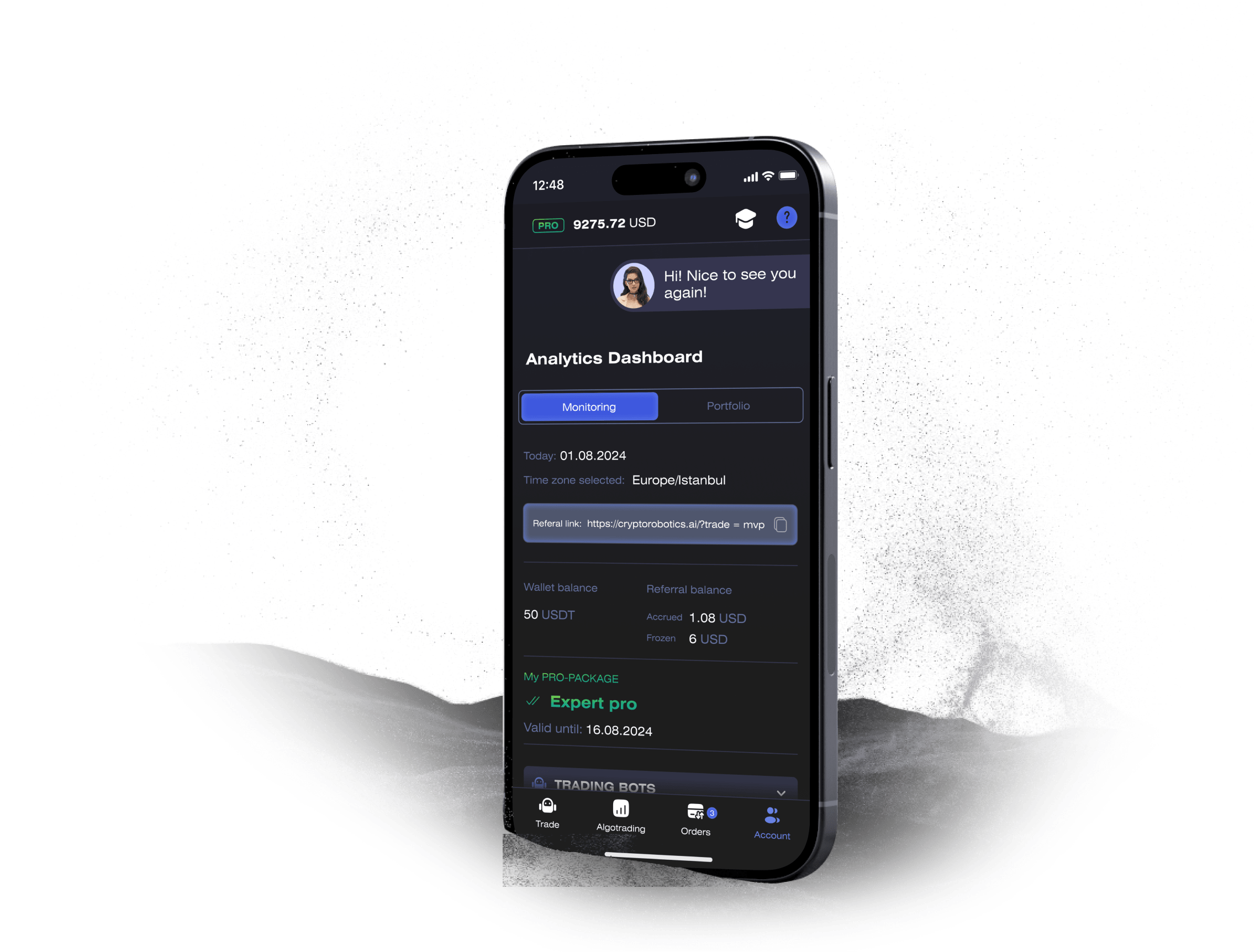
Access the full functionality of CryptoRobotics by downloading the trading app. This app allows you to manage and adjust your best directly from your smartphone or tablet.

News
See more



Blog
See more